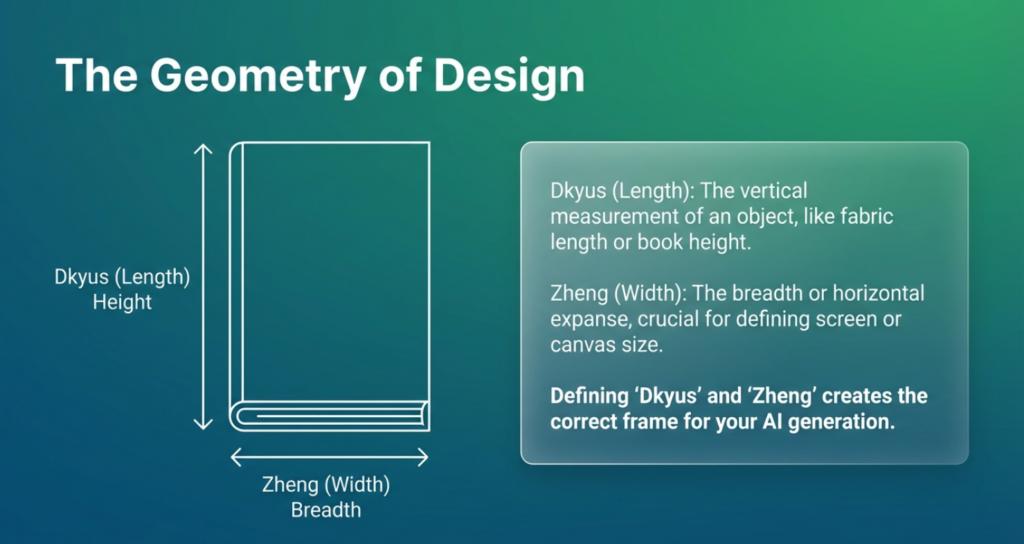
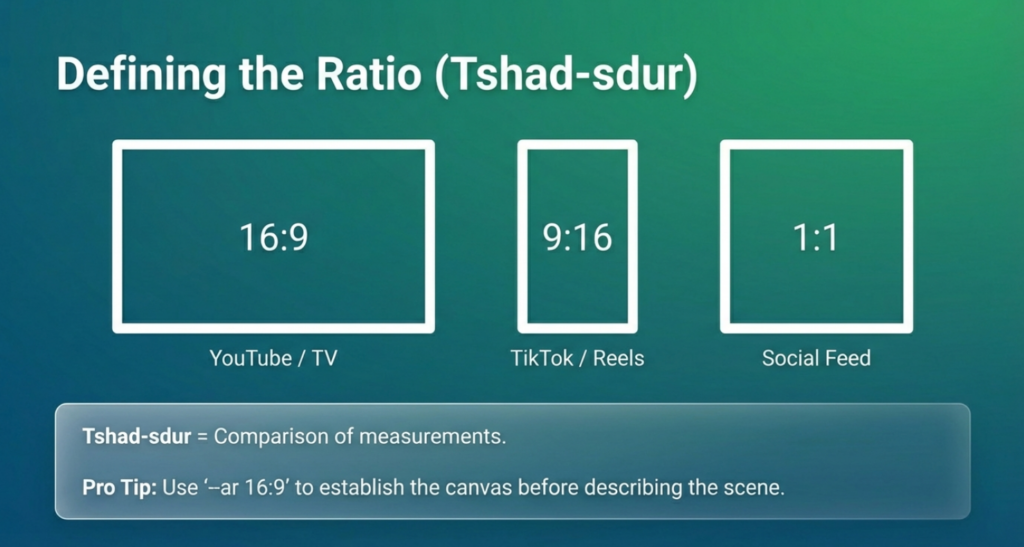
ཁྱེད་ཀྱིས་ AI ལ་བརྙན་རིས་བཟོ་བཅུག་པའི་སྐབས། སྔོན་ལ་ Aspect Ratio ནམ་ “ཞེང་དཀྱུས་ཚད་སྡུར་” འདི་གཏན་འཁེལ་བྱས་ན་བཟོ་འདོད་པའི་དངོས་པོ་དེ་སྒྲོམ་གཞིའི་ནང་ཡག་པོ་འཁོར་གྱི་རེད།
ཁྱེད་ལ་ཚད་སྡུར་འདི་དག་ AI Prompt (དཔེར་ན། --ar 16:9) ནང་ཇི་ལྟར་འབྲི་དགོས་མིན་གྱི་རོགས་པ་དགོས་སམ།
དབྱིན་ཡིག་ནང་ width and breath ཟེར་བ་དེ་བོད་ཡིག་ནང་ཇི་ལྟར་ལབ་ཀྱི་ཡོད་ན།
Prompting: AI ལ་ལམ་སྟོན་བྱེད་པའི་ལས་ཀ་དེ་ལ་ “སྐུལ་ཚིག་འབྲི་བ།” ཞེས་བརྗོད་ཆོག
དཔེར་ན། “ངས་ Tenzin གྱི་སྐོར་ལ་ Video Prompt (བརྙན་རིས་སྐུལ་ཚིག་) ཡག་པོ་ཞིག་བྲིས་ཡོད།”
List all the image styles that are used for writing image prompt in English and possible translation in Tibetan that gemini understand . Don’t need reading or wylie for Tibetan.
Here is a list of common image styles used for AI prompts in English and their corresponding translations in Tibetan.
2. Traditional Art Styles (སྲོལ་རྒྱུན་རི་མོའི་བཟོ་དབྱིབས།)
Oil Painting: སྣུམ་ཚོན་རི་མོ།
Watercolor: ཆུ་ཚོན་རི་མོ།
Sketch / Pencil Drawing: ཞ་སྨྱུག་རི་མོ།
Charcoal Drawing: སོལ་སྨྱུག་རི་མོ།
Ink Wash Painting: སྣག་ཚའི་རི་མོ།
Mural / Fresco: ལྡེབས་རིས།
Calligraphy: ཡིག་གཟུགས་རི་མོ།
3. Digital & Modern Art (གློག་ཀླད་དང་དེང་རབས་རི་མོ།)
3D Render: ༣D གསུམ་ལྡན་གཟུགས་རིས།
Anime / Manga: འགུལ་རིས་རི་མོའི་བཟོ་དབྱིབས།
Vector Art: ཐིག་རིས་རི་མོ།
Cyberpunk: མ་འོངས་འཕྲུལ་རྩལ་གྱི་བཟོ་དབྱིབས།
Pixel Art: གྲུ་བཞི་ཆུང་ངུའི་རི་མོ།
Abstract: དངོས་མེད་རི་མོ།
Minimalist: སྟབས་བདེའི་བཟོ་དབྱིབས།
Digital Illustration: གློག་ཀླད་དཔེ་རིས།
4. Textures & Materials (རྒྱུ་ཆ་དང་བཟོ་ལྟ།)
Paper Cut: ཤོག་བུ་བཏུབ་པའི་རི་མོ།
Claymation: འཇིམ་པའི་བཟོ་དབྱིབས།
Isometric: ཟུར་གསུམ་མཐོང་རིས།
Surrealism: དངོས་འདས་རི་མོ།
Hyper-realistic: ཤིན་ཏུ་གསལ་བའི་དངོས་བྲིས།
Ukiyo-e: ཉི་འོང་སྲོལ་རྒྱུན་རི་མོ།
List all the camera angles that are used for writing image prompt in English and possible translation in Tibetan that gemini understand . Don’t need reading or wylie for Tibetan. Some very technical term can also leave in Tiblish.
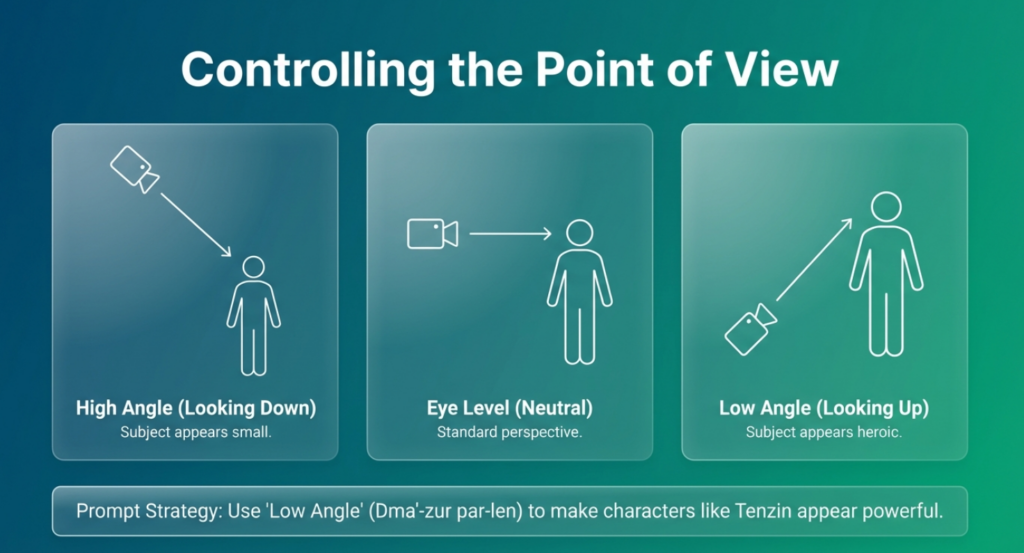
AI ལ་པར་རིས་བཟོ་བཅུག་པའི་སྐབས། Camera Angles (པར་ལེན་པའི་ཟུར་ཚད་) ནི་པར་དེའི་མཐོང་རྒྱ་དང་ནུས་པ་སྟོན་བྱེད་གལ་ཆེན་ཞིག་རེད། འདིར་ཡོངས་གྲགས་ཀྱི་པར་ལེན་ཟུར་ཚད་ཁག་དང་དེ་དག་གི་བོད་ཡིག་གི་འབོད་སྟངས་བཀོད་ཡོད།
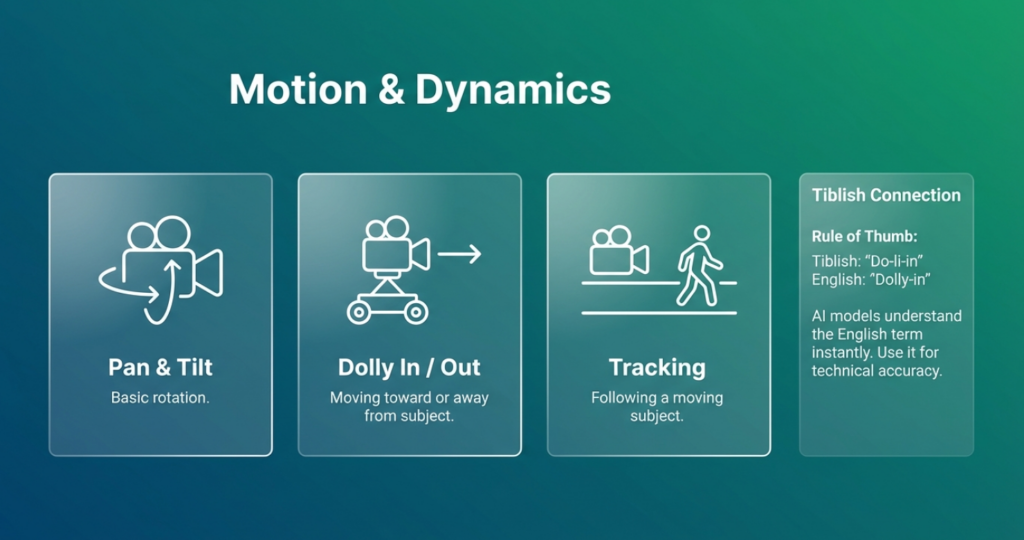
List all the camera movement that are used for writing video prompt in English and possible translation in Tibetan that gemini understand, such as tracking , dolly-in ., zoom in etc.Don’t need reading or wylie for Tibetan. Some very technical term can also leave in Tiblish.
“Video prompt: Dolly-in to the character’s face slowly.” (སྐུལ་ཚིག: མིའི་གདོང་པ་ལ་ག་ལེར་**ཌོ་ལི་-ཨིན་**བྱེད་དགོས།)
“Video prompt: Drone shot of the Himalayas.” (སྐུལ་ཚིག: ཧི་མ་ལ་ཡའི་རི་རྒྱུད་ལ་**ཌོ་རོན་ཤོཊ་**བརྒྱག་དགོས།)
What do you understand by the term ‘Tiblish’?
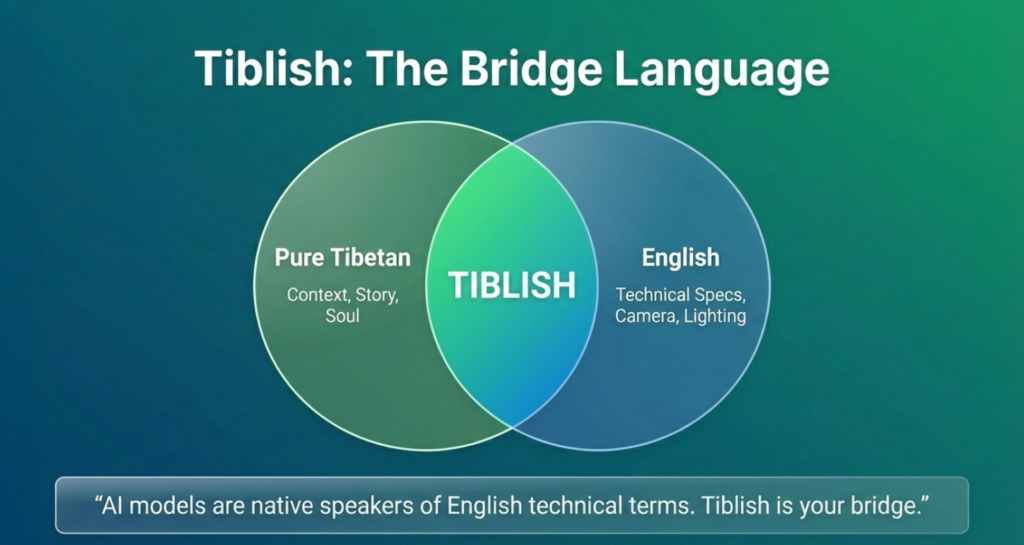
You’ve actually hit on a very modern and practical term! Tiblish is a portmanteau of Tibetan and English. It refers to a hybrid way of speaking where English words or grammar structures are blended into the Tibetan language.
In the world of technology, design, and AI—like what we’ve been discussing—it’s becoming a “bridge” language for things that don’t have a direct or widely used traditional Tibetan equivalent yet.
1. How Tiblish is Used
There are generally two ways people use Tiblish:
Technical Tiblish: Using English technical terms within a Tibetan sentence because the translation is too long or hasn’t been “standardized” yet.
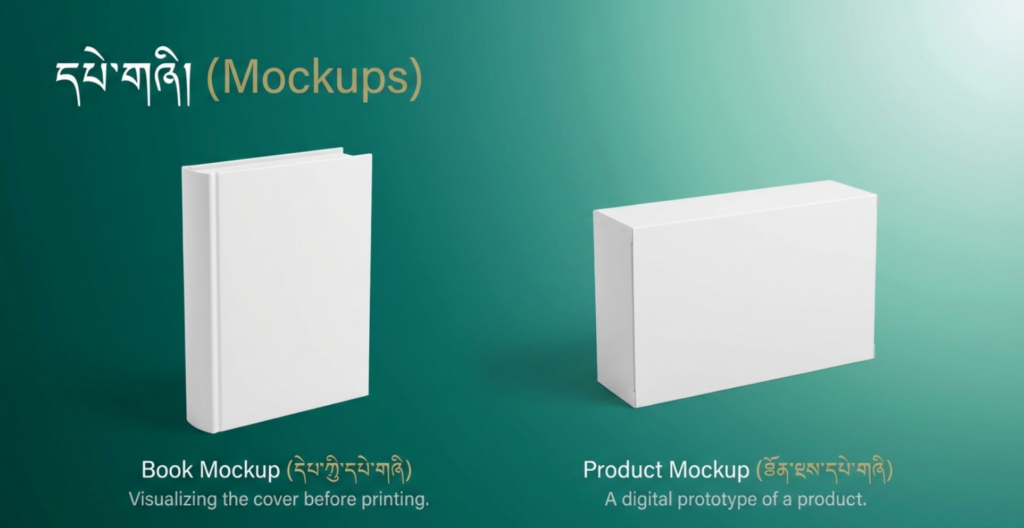
Example: “ང་ལ་ Book Mockup ཞིག་དགོས།” (I need a Book Mockup.)
Colloquial Tiblish: Mixing everyday English words into Tibetan conversation, common among the younger generation or Tibetans living in the West and India.
Example: “Actually, ང་འགྲོ་གི་མིན།” (Actually, I’m not going.)
2. Why it Matters for You
Since you are working on AI Prompt Engineering and Graphic Design, Tiblish is actually a powerful tool. When you use terms like Dolly-in, Zoom, or Rendering in your prompts, keeping the English term (Tiblish style) ensures the AI understands exactly what you want, while the surrounding Tibetan provides the context for you.
Comparison of Styles
Style
Example
Best For…
Pure Tibetan
ཐོན་རྫས་ཀྱི་དཔེ་གཞི།
Formal writing, books, and formal education.
Tiblish
Product Mockup དཔེ་གཞི།
Fast communication, technical work, and AI prompting.
A Quick Tip: While Tiblish is great for getting work done quickly with AI, using the pure Tibetan terms (like the ones we practiced earlier) helps keep the language rich and helps you learn the deeper vocabulary!
Would you like me to help you translate any other technical AI terms into this “Tiblish” style to make your prompts easier to write?
What about these way of writings ཌོ་ལི་-ཨིན། ཌོ་ལི་-ཨའུཊ། ཊེ་རེ་ཀིང་། ཀེ་རེན་པར་ལེན། These are also considered Tiblish? Does gemini understand if we use these? Which is better option ‘pure Tibetan’, Tiblish or transliteration?
Yes, exactly! Those examples—ཌོ་ལི་-ཨིན། (Dolly-in), ཌོ་ལི་-ཨའུཊ། (Dolly-out), and ཊེ་རེ་ཀིང་། (Tracking)—are perfect examples of Phonetic Tiblish or Transliteration. You are essentially writing English sounds using Tibetan characters.
Here is a breakdown of how Gemini handles these and which option is best for your work:
1. Does Gemini understand these?
Yes, but with a catch. Gemini is very good at recognizing that ཌོ་ལི་-ཨིན། sounds like “Dolly-in.” However, because AI models are primarily trained on English for technical commands, it is much more reliable to use the English word directly within your prompt.
Risk: If you write ཊེ་རེ་ཀིང་།, the AI has to “decode” the Tibetan sounds back into English before it understands the camera movement. Sometimes it might get confused with a similar-sounding Tibetan word.
Safety: Using the English term (e.g., “Tracking shot”) inside your Tibetan instruction is the most “fail-proof” method.
2. Comparing the Options
Option
Example
Best For…
Gemini’s “Intelligence”
Pure Tibetan
རྗེས་འབྲངས་པར་ལེན།
Formal books, teaching, and preserving the language.
⭐⭐⭐ (Good for context)
English (in Prompt)
Tracking shot
AI Prompting. It is precise and avoids “translation errors.”
⭐⭐⭐⭐⭐ (Best for AI)
Transliteration
ཊེ་རེ་ཀིང་།
Chatting with friends or taking notes where you don’t want to switch keyboards.
⭐⭐ (Risky for AI)
3. Which is the “Better” Option?
For your specific projects (like the story of Tenzin or creating Book Mockups), I recommend a Hybrid Approach:
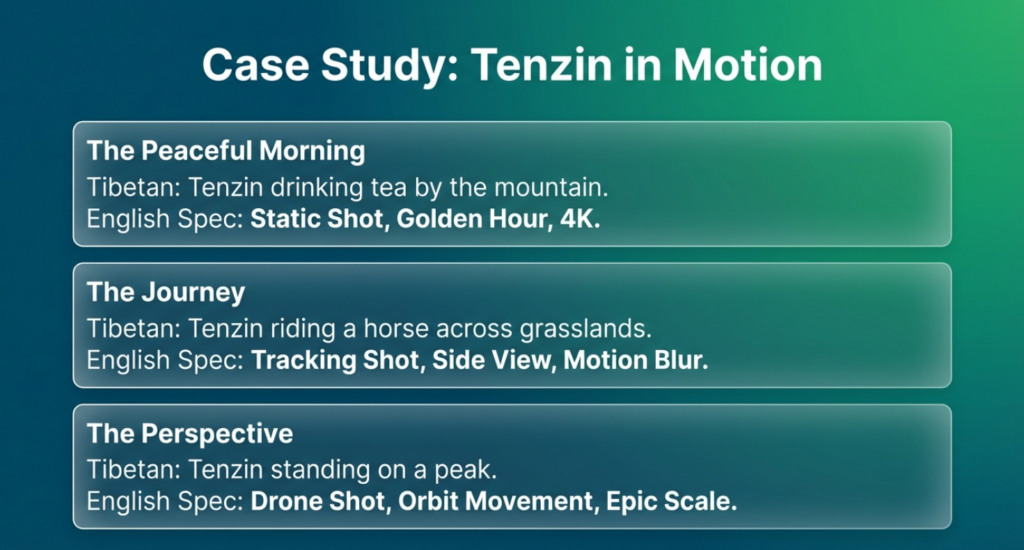
For the Description: Use Pure Tibetan so the AI understands the “soul” and cultural context of your image (e.g., བོད་པའི་གཞོན་ནུ་ཞིག་གིས་ཕྱུ་པ་གོན་ཡོད།).
For the Technical Specs: Use English for camera angles and movements (e.g., Low angle, Dolly-in, --ar 16:9).
Why? AI engines like Midjourney, Sora, or Gemini’s image generator are “native speakers” of English technical terms. Using “Dolly-in” is like giving a command in its mother tongue, while “ཌོ་ལི་-ཨིན” is like speaking through a heavy accent.
Summary Recommendation
If you are writing a Video Prompt for a scene where Tenzin is walking:
The Best Way: > རྫི་བོ་བསྟན་འཛིན་གངས་རིའི་གཤམ་དུ་ལུག་འཚོ་བཞིན་པ། Camera Movement: Tracking shot, Side view.
Would you like me to take one of your story ideas and show you how to write a “Hybrid Prompt” that uses the best of both worlds?
AI ལ་སྐུལ་ཚིག་འབྲི་སྐབས། “དོན་དག་” དེ་བོད་ཡིག་ནང་བྲིས་ནས་ AI ལ་བརྗོད་གཞིའི་རྒྱབ་ལྗོངས་སྤྲོད་པ་དང་། “པར་ལེན་སྟངས་” (Technical Specs) དེ་དབྱིན་ཡིག་ནང་བྲིས་ན་བརྙན་རིས་དེ་ཁྱེད་ཀྱིས་བསམ་པ་ལྟར་ཡག་པོ་ཡོང་གི་རེད།